Unlimited Cash Back Credit Card. Every business has expenses. You pay for software, supplies, marketing, and more. These costs are a normal part of operations. But you might be missing a big opportunity. You could be earning money back on every single dollar you spend. This is possible with the right financial tool. It turns your spending into a form of income. This guide shows you how to Maximize Your Business Spending with an Unlimited Cash Back Credit Card. We will cover how these cards work. You will learn to choose the best one. You will also see how to use it safely for your company.
Maximize Your Business Spending with an Unlimited Cash Back Credit Card
What is this type of card? It is a business credit card. It gives you a percentage of your spending back as cash. This is not a “point” or “mile.” It is real money you can use. You can get your reward as a statement credit. Or you can have it deposited into your bank account. This makes cash back very simple and useful. The keyword is “unlimited.” Many cards put a cap on the rewards you can earn. For example, you might only get 2% back on the first $50,000 spent.
A business with high spending will hit that cap very fast. After the cap, the reward rate drops to 1% or less. This means the card stops being valuable. An unlimited card has no cap. You earn the same flat rate whether you spend $100,000 or $1,000,000. This is perfect for growing companies. Your reward potential grows with your business. You are not punished for spending more. This makes it a predictable tool for your budget.
Why a Business Card Beats a Personal Card
Many new owners use a personal card for business. This is a common and serious mistake. It mixes your personal and company finances. This mixing creates accounting problems. It is hard to see your company’s true profit. Tax time becomes very difficult for you or your accountant. Using a personal card can also create legal risks. It can “pierce the corporate veil.” This puts your personal assets, like your home, at risk if the business is sued.
A business card keeps expenses separate. It creates a clean record for your bookkeeper. This saves many hours of work. It also builds your company’s own credit history. This history is separate from your personal credit. It belongs to your business EIN. A strong business credit profile is very important. It helps you get business loans in the future. It also helps you lease equipment or rent office space. Without business credit, you must always use your personal credit. This puts a strain on your personal finances. It also limits your company’s growth.
Flat-Rate vs. Tiered Cards: Choosing Your Reward Type
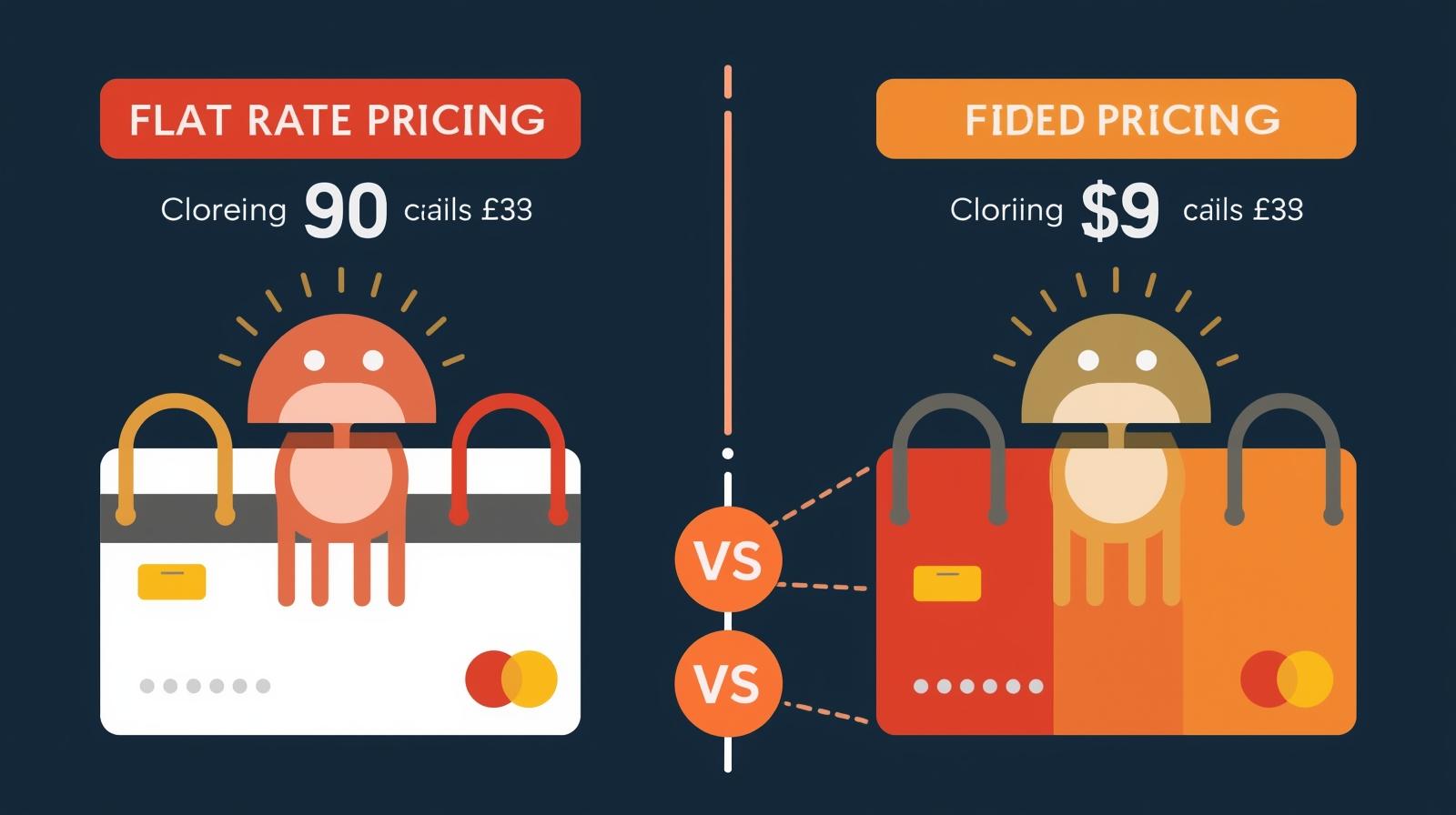
You have two main choices for cash back cards. The first is a flat-rate card. This is the simplest option. A flat-rate card gives you one percentage on everything. You might get 1.5% or 2% back on all purchases. There are no categories to track. The second choice is a tiered card. This type offers high rewards in specific categories. For instance, you could get 4% on ads and 3% on travel. All other purchases on a tiered card earn a low base rate, usually 1%. This card works well if your spending is high in just one or two areas.
Here is an example of a flat-rate card. You spend $10,000. It is spread across supplies, ads, and rent. You get 2% of the total, or $200. You did not have to think about it. The math was simple. This is good for service businesses or consultants. Here is an example of a tiered card. You spend $10,000. $8,000 was on ads (a 4% category). $2,000 was on other things (a 1% category).
Your reward is ($8,000 * 0.04) + ($2,000 * 0.01). This equals $320 + $20, for a total of $340. The tiered card paid more in this case. But you must check the fine print. Many tiered cards have caps on their high-reward categories. A card might offer 4% on ads, but only for the first $100,000. After that, it drops to 1%. An unlimited flat-rate card might be better in the long run.
The Hidden Benefits Beyond Just Cash Back
The cash rebate is only one benefit. These cards also help you manage your money. This starts with your cash flow. When you buy something, the payment is not due right away. You often have 30 to 50 days before you must pay the bill. This is called the “float.” This float lets you buy inventory now and pay for it later. You can use the money from your sales to pay the bill. It is like a short-term, interest-free loan. Business cards also make accounting easier. They connect to software like QuickBooks or Xero. This sorts your spending for you. Your bookkeeper does not have to guess. Each transaction is imported. It saves time and reduces human error. Many cards also offer purchase protection. If you buy a new computer and it is stolen or damaged, the card may cover the cost. You can also get extended warranties. The card adds an extra year to the manufacturer’s warranty. These perks add value beyond the cash rebate.
Giving Cards to Your Team
You cannot make every purchase yourself. Your team needs to buy things. Employee cards are the solution. You can issue cards to your key staff. These cards are linked to your main account. You earn the cash back on all their spending. You stay in control. You can set individual spending limits for each card. You also get alerts for all purchases. This is safer than giving out the main card number. It is also much easier than reimbursing employees. Expense reports become a thing of the past. This system ends the old expense report model. You do not have to collect receipts. You do not have to pay employees back. The transaction data flows right into your accounting. You can see who spent what, and where. This makes monthly reconciliation very fast. It also gives employees clear boundaries. They know their limit. They do not have to use their own personal money for company business.
A Smart Plan for Using Your Business Card
Getting the card is the first step. Using it correctly is the next step. You must have a clear plan. First, pay your balance in full every month. This is the most important rule. If you carry a balance, the interest charges will erase all your cash back. Second, move all possible expenses to the card. Look at what you pay with checks or bank transfers. This includes software, utilities, insurance, and supplies. Third, put all recurring bills on the card. This automates your payments. It also ensures you earn cash back on them every single month.
Read more: Basics of paragraph and character styles
Make a list of all your monthly vendors. Go through your bank statements. Find everything you pay with a check or ACH. This includes your big expenses. Think about your insurance premiums. Think about your ad spending on Google or Facebook. It also includes your small bills. Software subscriptions, web hosting, and phone bills add up. Put them all on the card. Even your quarterly tax payments can sometimes go on a card. You may pay a small fee. But the cash back and float can make it a smart move.
Common Mistakes to Avoid
These cards are great tools, but they have risks. The biggest mistake is carrying a balance. High-interest rates will cost you more than you earn. Another mistake is overspending. Do not buy things you do not need just to get 2% back. A 2% rebate does not justify a 100% unnecessary cost. You must also read the fine print on fees. Some cards have an annual fee. Make sure your spending is high enough to make the fee worth it. Also, check for foreign transaction fees. If you buy from suppliers outside the country, a 3% fee will cancel your 2% reward.
Do not pick a card just because it has no annual fee. This is a common trap. You must do the math. A no-fee card might offer 1.5% back. A $95 fee card might offer 2% back. The difference is 0.5%. You just need to spend $19,000 a year to make the fee card profitable. ($95 / 0.005 = $19,000). Any serious business will spend this much. Paying the fee gets you a much higher return. Do not be afraid of a fee if the math works.
Read more: Intro to paragraph styles in Pages on Mac
Comparing Your Card Options
Choosing a card can be confusing. The table below breaks down the common types. It helps you see the math. A no-fee card is not always the cheapest. A card with a $95 fee might earn you much more. You have to compare the reward rates. For example, a 1.5% card with no fee is good. But a 2% card with a $95 fee is better if you spend more.
You just need to spend about $19,000 a year to break even. Most businesses spend this much very easily. The best choice depends on your spending pattern. A new business with low spending should start with a no-fee card. A growing business with diverse spending needs the 2% flat-rate card. It offers the best simple return.
A specialty business, like an e-commerce store, should look at tiered cards. The high rebate on advertising and shipping is very valuable. Just be sure to read the terms. An “unlimited” card is the only one that truly scales with you.
Business Cash Back Card Comparison
| Card Type | Annual Fee | Reward Rate | Best For |
| No-Fee Flat-Rate | $0 | 1.5% on all purchases. | Businesses with low or varied spending. |
| Premium Flat-Rate | $95 – $250 | 2% on all purchases. | Most businesses with over $20,000 in annual spending. |
| Bonus Tiered-Rate | $0 – $150 | 3-5% in set categories (like ads, travel), 1% on everything else. | Companies with very high spending in one or two areas. |
Your business expenses are a fact of life. You cannot avoid them. But you can make them work for you. A good cash back card is a simple tool. It gives you a rebate on money you already spend. It also helps with cash flow and accounting. Look at your company’s spending. Find a card that matches your expense habits. Start turning your costs into a new source of cash.