
Cars are not simple anymore. The 2025 models in your bay are packed with complex parts. A single repair can involve dozens of small, strong fasteners. This is Why Every Mechanic Needs Hi Tech Snap Ring Pliers in 2025. The old, flimsy pliers in your toolbox are now a risk. They can cost you time, money, and even a customer. This post explains why an upgrade is no longer optional for a professional mechanic.
Why Every Mechanic Needs Hi-Tech Snap Ring Pliers in 2025: The Big Shift
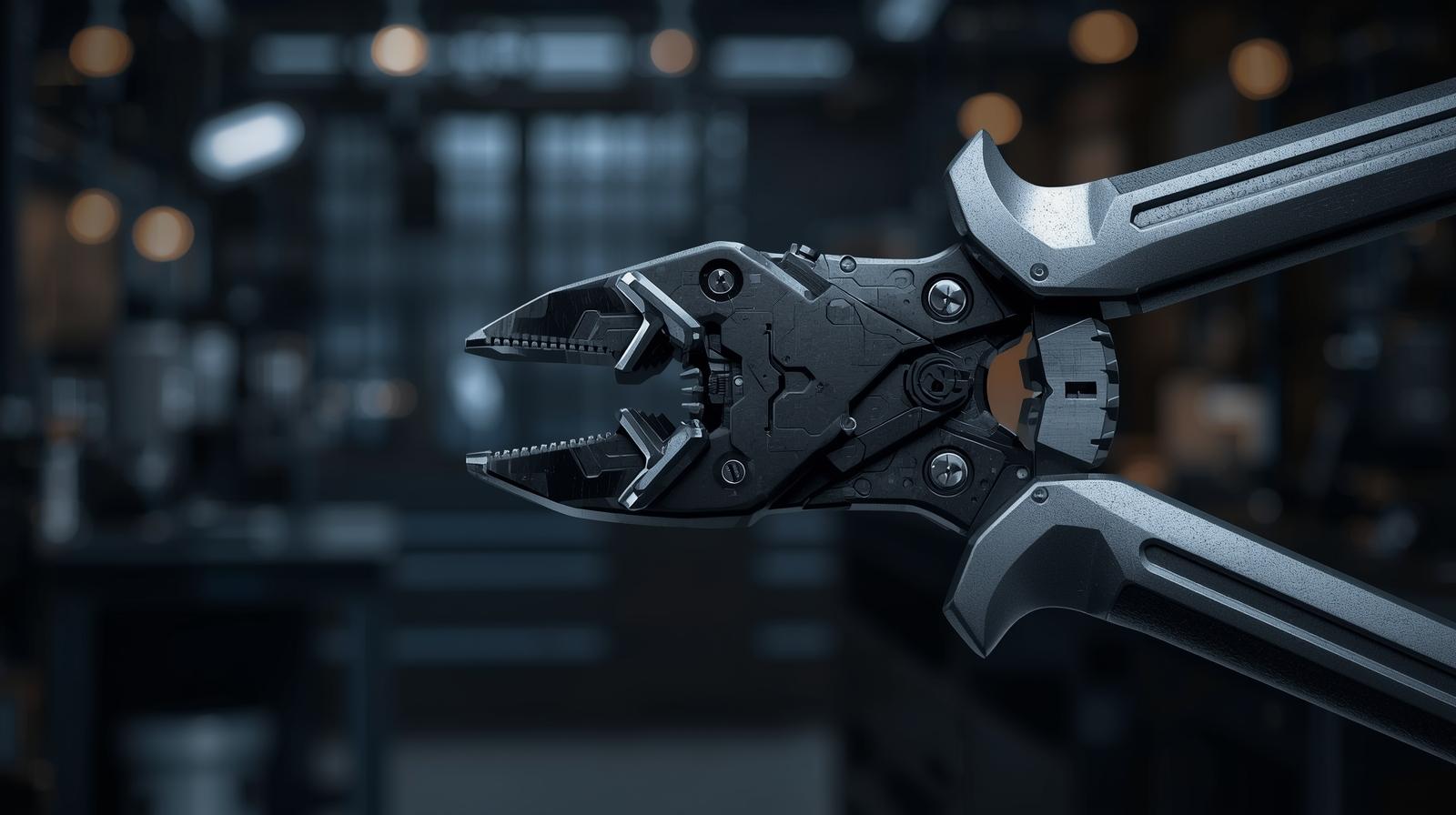
The keyword in that title is “hi-tech”. Your old pliers are probably made of stamped metal. Their tips are rounded and slip easily. This is a big problem for modern repair jobs. Hi-tech pliers are different tools altogether. They are made with precision. The bodies are forged from strong steel that does not flex. The tips are machined to exact sizes. They fit perfectly into the ring’s lug holes. This perfect fit stops slipping.
This is the main reason you need a new set. A plier that slips can damage a part. A plier that flexes can send a ring flying across the shop. This is a common frustration for many techs. Quality tools stop this from happening. New vehicles are built with zero tolerance for error. The parts are made from lightweight aluminum and magnesium. You cannot scratch or gouge these parts. Hi-tech pliers are designed to protect the component you are working on.
Old Pliers Are a Serious Liability
Let’s look at the $30 plier set in your box. The metal is probably soft. The joint is a loose rivet. The tips are worn down. You have to fight with the tool just to get a grip. This tool is a liability. It actively works against you. Every time you use it, you risk damaging a component. A tiny slip can put a scratch in a piston bore. A small gouge in a transmission valve body can ruin the part.
Read more: The Function of Snap Ring Pliers and Its Use in Car Repairs
These mistakes are expensive. The part you damaged could cost hundreds or thousands of dollars. The customer will not pay for that. You or the shop will have to. That one mistake just cost you more than a top-quality plier set. Lost time is another big cost. When a cheap plier sends a ring flying, the job stops. You are now on your hands and knees with a magnet. This can waste 15 or 30 minutes. That is the time you are not billing.
Where Snap Rings Hide in Modern Cars
You might not see snap rings every day. But they are everywhere inside new vehicles. They are used in places that are harder to reach than ever. They are also stronger than ever.
The Automatic Transmission Nightmare
Modern 8, 9, and 10-speed transmissions are a key example. These gearboxes are full of snap rings. A single rebuild might have 20, 30, or even 40 rings. They hold clutch packs, gear sets, and shafts together. Many of these rings are deep inside the transmission case. You cannot see them. You have to work by feel. You need a plier with long, angled tips. Your standard pliers cannot reach them. Using the wrong tool here is a disaster. If you slip, you will damage the soft aluminum clutch drum. The repair is now a failure. A hi-tech set with 90-degree tips is the only way to do this job right.
Turbochargers and GDI Engines
Engines have changed, too. Turbochargers are now standard on most cars. These parts spin at over 100,000 RPM. They are built with extreme precision. Snap rings are used inside turbos. They hold bearings and wastegate components. These rings are small but must handle high heat and pressure. They are very stiff. You need pliers with strong, fine tips to remove them. If your plier tips break, you have a big problem. If you over-expand the ring, it is ruined. It will fail inside the turbo. Gasoline Direct Injection (GDI) fuel pumps also use small, strong rings. These are high-pressure systems. A failed ring means a fuel leak. You must use a tool that grips the ring without damaging it.
EVs and Hybrid Systems
Do not think electric vehicles will save you. EVs have reduction gearboxes. They have electric motors. They have half-shafts and CV joints. All of these parts use snap rings. These parts are built to be very quiet. Any small imbalance or scratch will cause a high-pitched whine. A customer will hear this sound instantly. The cause could be a bearing race you scratched with a slipping plier. Hybrid vehicles have all these parts plus a normal engine. They are the most complex vehicles in your bay. You will find rings in the electric motor, the engine, and the special transmission. You need the best tools to service them.
Suspension and Brake Systems
This is a more traditional area. But the parts are still higher-spec. Wheel bearings are often held in the knuckle with a large snap ring. These rings are very strong and often rust in place. You need a heavy-duty pair of pliers to spread these rings. A cheap plier will bend or snap. You also need a tool that can apply a lot of force. This is not a job for your small, old pliers. CV joints use rings to hold the axle shaft. Brake calipers and master cylinders have internal rings. These are safety-critical parts. You cannot afford to damage the ring or the bore.
Read more: Mastering Long Snap Ring Pliers: A Comprehensive Step-by-Step Tutorial
The True Cost of a $5 Mistake
Many techs look at a $150 plier set and say “no thanks”. They think their $30 set works fine. This is a mistake in thinking. Let’s look at the real math.
Scenario 1: The Scratched Part
You are rebuilding a transmission. You use your old pliers on an internal ring. The tips slip and gouge the aluminum valve body. The part is ruined.
- Cost of New Valve Body: $1,200
- Cost of Hi-Tech Pliers: $150
- Net Loss: $1,050You lost over a thousand dollars to “save” money on a tool.
Scenario 2: The Flying Ring
You are changing a wheel bearing. You try to spread the big ring with cheap pliers. The tool flexes, the ring “pings” and vanishes.
- Time Lost Searching: 25 minutes
- Shop Rate: $180 per hour
- Cost of Lost Time: $75You just lost $75. If you cannot find the ring, the car is stuck. You have to order a new one. The customer is angry. All for a bad tool.
Scenario 3: The Comeback
You are rebuilding an engine. You use old pliers on the wrist pin clips. The pliers over-stretch the clips. You do not notice.
- Result: 2,000 miles later, the clip fails. The pin walks out and destroys the cylinder wall.
- Cost of New Engine: $8,000
- Cost to Your Reputation: PricelessThis is the job that can close a shop. It all started with a bad tool.
What Makes a Snap Ring Plier “Hi-Tech”?
So what are you paying for? Why are some pliers $15 and others $75? It comes down to four key areas.
1. Better Steel and Stronger Bodies
Good pliers are forged, not cast. They are made from high-carbon steel or chrome-vanadium steel. This metal is strong. It will not bend or flex when you squeeze the handles. All the force you apply goes to the tips. The joint is a tight, precision bolt or screw. It does not wobble. Cheap pliers use a loose rivet that creates “slop”.
2. Precision Tips (The Most Important Part)
This is where the money is. The tips on the hi-tech pliers are not part of the plier body. They are separate, replaceable parts. They are machined from hardened tool steel. They are made in exact sizes, like 1.2mm or 1.8mm. This means they fit the ring’s holes perfectly. There is no wiggle room. This makes slipping almost impossible. On cheap pliers, the tips are just ground metal. They are tapered or rounded. This shape actively pushes the plier out of the hole. Good pliers have straight, sharp tips that lock in. You can also get different tip styles. You can get 45-degree and 90-degree tips. These let you reach rings in tight spaces. This is a must for transmission work.
3. Ratcheting and Locking Pliers
This feature is a lifesaver. Some hi-tech pliers have a ratcheting lock. As you squeeze, a pawl locks the handle in place. The tool holds the ring open or closed for you. This is for big, heavy-duty rings. Think about the ring on a truck’s wheel bearing. It takes a huge force to spread it. A locking plier lets you spread it, lock it, and then use both hands to remove the bearing. It is also a great safety feature. The tool is holding the tension, not your hand. Your muscles will not get tired. The ring cannot suddenly spring back and snap your fingers.
4. Convertible vs. Fixed Sets
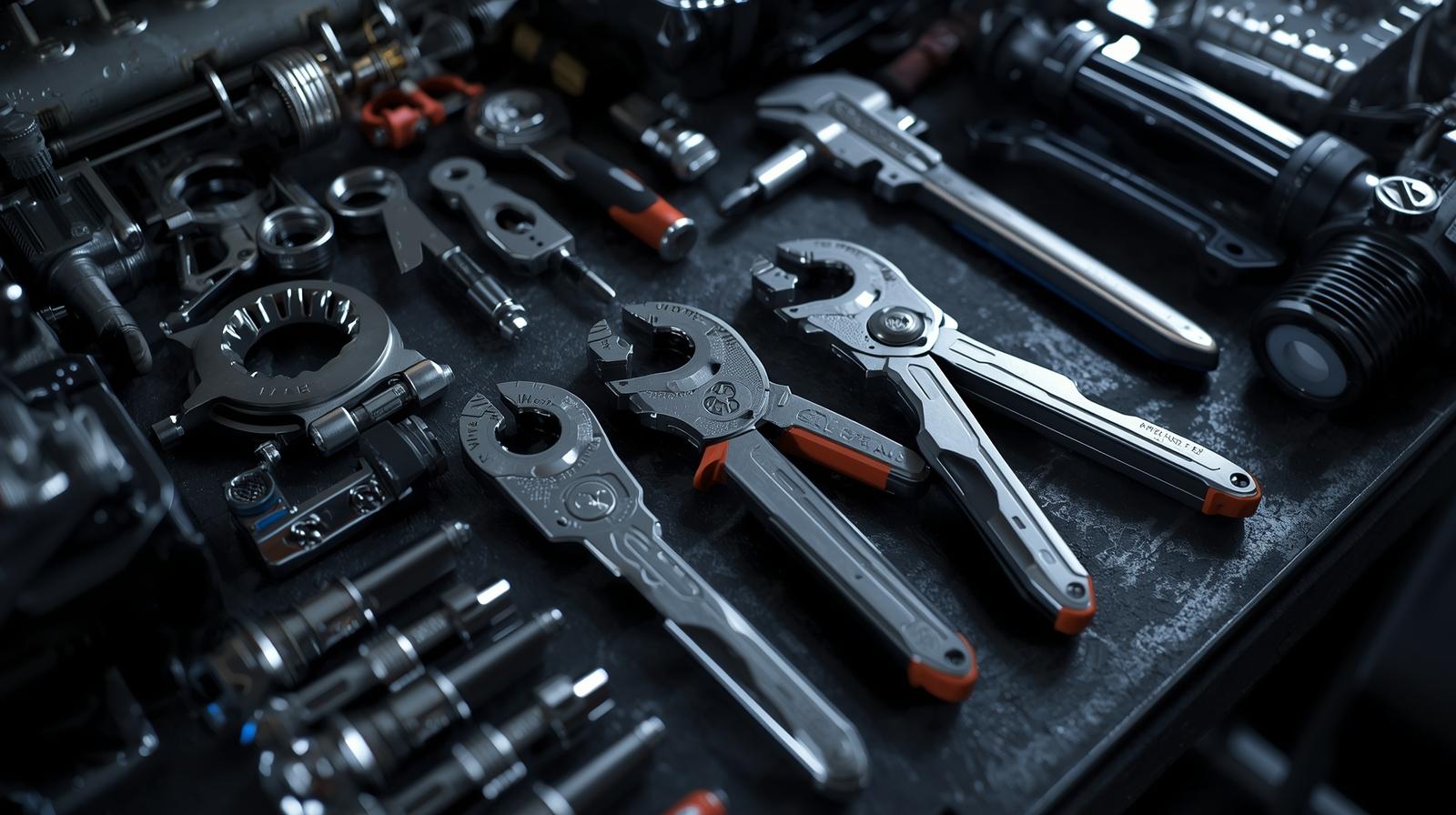
You have two main choices for a set. A convertible set uses one or two handles. You can change the tips. You can also flip a switch to change from internal (compressing) to external (spreading). This saves space.
A fixed set has many individual pliers. You have one plier for “internal-straight”. You have another for “external-90 degree”. This is what many master techs prefer. Fixed pliers are very strong. There are no moving parts in the switch. But a full set is expensive and takes up a lot of drawer space. A good convertible set is the best starting point for most techs.
Safety and Professionalism
Good tools are not just about the car. They are about you, the technician. A snap ring under tension is a dangerous object. When it flies, it is a steel projectile. It can cut your skin or cost you an eye. A plier that grips securely is a piece of safety equipment.
Your hands are your livelihood. Squeezing bad pliers all day is hard work. It causes hand cramps and fatigue. A good plier with a comfort grip and a spring-loaded handle reduces this strain. It helps you work longer and with less pain. Finally, your tools represent you. When you roll up your box, what does it say? A box full of old, broken, and cheap tools looks bad. A box with clean, organized, quality tools shows you are a true professional. It shows you care about your work.
Final Thoughts
The job of a mechanic is harder than it has ever been. The vehicles are more advanced. The parts are more expensive. You cannot use 1990s tools to fix 2025-era cars. Hi-tech snap ring pliers are a small part of your toolbox. But they are very important ones. They prevent damage, save time, and protect you from injury. They are a sign of a true professional. Stop letting your old pliers cost you money. Look at the new options available. An investment in a quality set will pay for itself. It will make your job easier, safer, and more profitable.
Frequently Asked Questions (FAQ)
Q: What is the main difference between internal and external rings?
A: An internal snap ring fits inside a bore or hole. You need to compress it (squeeze the handles) to remove it. An external ring fits over a shaft. You need to expand it (spread the handles) to remove it.
Q: Can I just use needle-nose pliers or a screwdriver?
A: No. This is the fastest way to damage a part or hurt yourself. Needle-nose pliers have no way to grip the lug holes. A screwdriver will slip, gouge the part, and can send the ring flying at your face.
Q: Are the expensive tool-truck brands worth the money?
A: You are paying for quality steel, precise machining, and a good warranty. Brands like Knipex, Snap-on, or Lang have proven designs. They are worth the money because they last a lifetime and will not fail you on a job.
Q: What is a “convertible” plier?
A: This is a plier that can be switched from internal to external. It usually has a small lever or a way to flip the pivot. This saves space in your toolbox, as one tool can do the job of two.
Q: What size tips do I need?
A: Most hi-tech sets come with a range of replaceable tips. This might include sizes from 0.9mm up to 2.3mm. Having the exact size tip to match the ring’s hole is the key to a good grip.
Q: My hands hurt when I use my pliers. Will new ones help?
A: Yes. New pliers have better handle designs. They use comfort-grip materials that are easier to hold. They are also often spring-loaded, so the tool opens by itself. This reduces the strain on your hand muscles.
Comparing the Tools
| Feature | Old / Cheap Pliers | Hi-Tech Snap Ring Pliers |
| Body Material | Stamped or cast metal. | Forged chrome-vanadium steel. |
| Body Flex | High. Handles bend under pressure. | Zero. All force goes to the tips. |
| Joint | Loose rivet. Develops “slop”. | Precision bolt or screw. Stays tight. |
| Tip Material | Soft metal ground to a point. | Hardened, replaceable tool steel. |
| Tip Shape | Tapered or rounded. | Machined, straight-walled, exact sizes. |
| Grip Security | Poor. Prone to slipping. | Excellent. Tips lock into holes. |
| Features | None. | Convertible, ratcheting, locking. |
| Angled Tips | Not available. | Common. 45-degree and 90-degree. |
| Safety | Low. High risk of flying rings. | High. Secure grip protects parts and user. |
| Best For | A light-duty job on an old car. | Professional, daily use on modern vehicles. |