
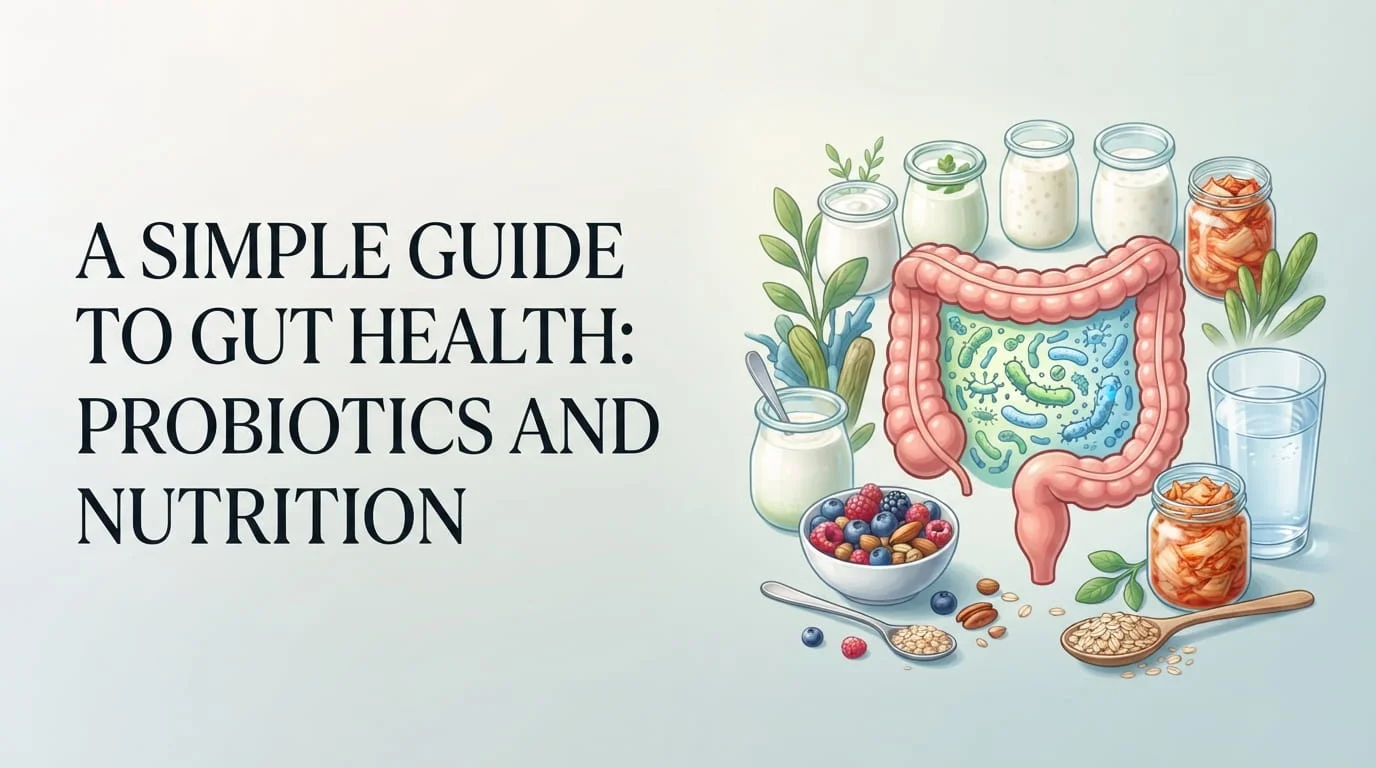
Many people feel tired, bloated, or just “off” every day. They might think it’s from stress or not sleeping well. The real problem could be inside your gut. Your gut is home to trillions of tiny living organisms. This community is called the gut microbiome. It plays a big part in your health. It affects how you digest food. It also controls parts of your immune system and even your mood.
Modern life can be hard on your gut. Processed foods, constant stress, and some medicines can hurt it. This creates an imbalance. Bad bacteria can grow and take over from the good bacteria. We can help fix this balance. We need to add good bacteria back. We also need to feed them the right foods. This leads people to ask: How do Nutrition Wholesome Probiotics transform Your Gut Health Naturally? This guide will show you how.
How Giving Nutrition Wholesome Probiotics Can Transform Your Gut Health Naturally
This question points to a complete method for gut health. It is not just about one thing. It is about using “nutrition” and “wholesome” choices together. These ideas are linked. “Probiotics” are the good bacteria. Think of them as helpers for your body. They enter your gut and start to work. They help control the bad bacteria. “Nutrition” is the second part of the plan. Good bacteria need food to survive and grow. This food is called prebiotics. Wholesome foods give your gut these prebiotics. This is how the process works. You eat good, wholesome foods. These foods feed the good bacteria. The good bacteria then get stronger and build a healthy gut.
A healthy gut can change your whole body. It means better digestion. It means a stronger immune system. It can even mean a clearer mind. This is a natural change. This change does not happen overnight. It takes time. You are rebuilding an entire ecosystem. Consistency is the key. Probiotics do many jobs. They create a protective layer on your gut wall. This stops bad things from leaking into your body. This is often called “leaky gut.”
They also help break down your food. Some bacteria are experts at digesting lactose from milk. Others help break down tough fibers. Your good bacteria even make vitamins for you. They can create B vitamins and Vitamin K. Your body uses these vitamins every day. They also talk to your immune system. Most of your immune system is in your gut. Good bacteria help train your immune cells. They learn to fight off real germs.
What Are Probiotics? Meet Your Gut’s Best Friends
Probiotics are live, good microorganisms. When you get enough of them, they give you a health benefit. Most are bacteria, but some are good types of yeast. You can find probiotics in two main places. You can get them from supplements. You can also get them from certain foods. Fermented foods are a natural source of probiotics. Fermentation is an old way of preserving food. It uses bacteria and yeasts. These are the same bacteria that help your gut.
There are many different types of probiotics. They are sorted into groups. The two most famous groups are Lactobacillus and Bifidobacterium. Lactobacillus is a common type. You find it in yogurt and other fermented foods. It lives mostly in your small intestine. It helps with digestion. Bifidobacterium is another big group. These bacteria live mostly in your large intestine. They are very important for digesting fiber. They also help protect your gut wall.
There is also a helpful yeast called Saccharomyces boulardii. It is different from the bacteria. It is very good at helping with diarrhea. It is often recommended after taking antibiotics. Each type of probiotic is called a “strain.” Different strains do different jobs. One strain might be good for your immune system. Another might be better for bloating. This is why variety is good. Eating different probiotic foods gives you many strains. Taking a supplement with multiple strains is also a good idea.
Read more: A Beginner’s Guide to Gut Health
Signs Your Gut Needs Help
Your body often sends signals when your gut is not happy. Some of these signs are easy to spot. Others are more subtle. The most common signs are digestive problems. This includes feeling bloated or gassy often. You might have pain in your stomach. Your bathroom habits might change. You could have constipation. You could have diarrhea. Sometimes it switches back and forth. Heartburn or acid reflux can also be a sign. This shows an imbalance in your digestive system. Your skin might show problems. Things like acne, rosacea, or eczema can be linked to gut health. A problem on the inside can show up on the outside.
Feeling very tired for no reason is another clue. Your gut helps you get energy from food. If it’s not working well, you absorb fewer nutrients. Your mind might feel “foggy.” This is the gut-brain connection. A bad gut can affect your mood. It can make you feel anxious or down. Getting sick all the time is another sign. A big part of your immune system is in your gut. A weak gut means a weaker immune system. You might also find new food sensitivities. You could suddenly have trouble digesting foods you used to eat. This can happen when you lack the right bacteria to break them down. These signs are your body asking for help. They are a reason to look at your gut health.
Probiotic Foods: The Natural Path to a Healthy Gut
Eating certain foods is a great way to get more probiotics. These foods are natural and easy to find. Aim to add some of these to your diet. Yogurt is the most famous probiotic food. It is made by fermenting milk. Look for yogurt that says “live and active cultures.” Choose plain, unsweetened yogurt. Many fruit yogurts are full of sugar. Sugar feeds the bad bacteria in your gut. You can add your own fresh fruit at home. Kefir is another dairy food. It is like a thin, drinkable yogurt. It often has even more types of bacteria than yogurt. It can have 10 to 20 different strains. Kefir can be a great choice for gut health. It is very powerful. You can drink a small glass of it each day.
Sauerkraut is a non-dairy option. It is simply fermented cabbage. It is very high in strains like Lactobacillus plantarum. You must buy the right kind of sauerkraut. Look for it in the refrigerated section of the store. It should say “raw” or “unpasteurized.” The sauerkraut in jars on the main shelf is not probiotic. It has been cooked with heat. This heat kills all the live bacteria. Kimchi is a spicy Korean dish. It is made from fermented cabbage and other vegetables. It has a strong, unique flavor.
Kimchi is full of good bacteria. It is also a good source of vitamins. You can add a small amount to your meals. Miso is a paste from Japan. It is made from fermented soybeans. It is often used to make soup. Miso adds a rich, salty flavor to food. To keep the bacteria alive, do not boil it. Add the miso to your soup or sauce at the end of the cooking. Tempeh is another food from soybeans. It is fermented into a firm block. It has a nutty flavor and is a good meat substitute. Kombucha is a fermented tea. It is fizzy and can be sweet or sour. It has a mix of bacteria and yeasts.
When buying kombucha, read the label. Many brands add a lot of sugar. Look for a brand with low sugar content. Pickles can also be a source of probiotics. You must choose the right ones. Look for pickles in brine and salt, not vinegar. They must be in the refrigerated section.
Read more: 5 simple ways to improve gut health
What About Prebiotics? The Food for Your Good Bacteria
Now you know about probiotics. But there is another part of the story. These good bacteria need to eat. Prebiotics are the food for your probiotics. They are special types of fiber. Your body cannot digest them. This fiber travels all the way to your large intestine. The good bacteria there love to eat it. This process is called fermentation. When bacteria ferment fiber, they create new compounds. These are called short-chain fatty acids, or SCFAs. SCFAs are extremely good for you. One of them is called butyrate. Butyrate is the main fuel for the cells lining your colon. This keeps your gut wall strong and healthy. It helps prevent a “leaky gut.” A strong wall keeps bad things out of your bloodstream. SCFAs also help lower inflammation. They work in your gut. They also work all through your body. You can find prebiotics in many healthy foods. You do not need a supplement. You just need to eat the right things. Garlic is a great source of prebiotics. Onions and leeks are also in the same family. They all feed your good gut bugs.
Asparagus is another good prebiotic food. So are Jerusalem artichokes. Bananas are a good choice. Green, slightly unripe bananas have the most prebiotic fiber. Oats are a very easy way to get prebiotics. A bowl of oatmeal in the morning feeds your gut. Apples have a type of fiber called pectin. Pectin is a good prebiotic. Berries are also a good choice. Legumes are full of fiber. This includes beans, lentils, and chickpeas. They are very good for your gut. Flaxseeds are also a great source. Add a spoonful to your yogurt or oatmeal. Start slowly when adding these foods. If you add too much fiber at once, you might feel gassy. This is just your bacteria adjusting. Start with small amounts and drink plenty of water.
Choosing a Probiotic Supplement
Food is a great foundation. Sometimes, a supplement can also help. This is true if you are fixing a specific problem. The supplement aisle can be confusing. Many bottles look the same. Here is what to look for. First, check the CFU count. CFU stands for “colony-forming units.” This is the number of live bacteria in each dose. A general supplement might have 10 to 30 billion CFUs. A stronger one might have 50 billion or more. More is not always better. The types of bacteria matter more.
Second, look at the strains. A good bottle will list the full names. It will not just say “Lactobacillus.” It will say Lactobacillus acidophilus or Lactobacillus rhamnosus GG. Different strains have different research. Some are studied for digestion. Others are studied for immune health. A supplement with 5 to 10 different strains is a good start. Third, check the storage instructions. Some probiotics are very fragile. They need to be kept in the refrigerator.
Other probiotics are shelf-stable. They have been freeze-dried. You can store them in a cool, dark cabinet. Follow the directions on the bottle. Fourth, check the expiration date. Probiotics are live. They do not last forever. A good company will promise the CFU count is good until the expiration date. Some supplements are in special capsules. These are called “delayed-release” capsules. They are made to survive your stomach acid.
This helps the bacteria get to your intestines alive. Your stomach is very acidic. It can kill many bacteria before they get to work. You can also find “synbiotics.” This is a supplement that contains both probiotics and prebiotics. It gives the bacteria a “snack” for their journey.
Lifestyle Habits That Support Your Gut
Your gut health is not just about food. Your daily life has a big impact. A healthy lifestyle helps your good bacteria grow. Stress is a major enemy of your gut. When you are stressed, your body releases hormones like cortisol. This can harm your good bacteria. Stress also makes your gut wall weaker. Finding ways to manage stress is very important. This could be walking, meditation, or a hobby. Sleep is when your body repairs itself. This includes your gut. Your gut bacteria have a daily rhythm, just like you. Poor sleep disrupts this rhythm. It can change your bacteria for the worse. Aim for 7 to 8 hours of quality sleep each night. Exercise is good for your gut. Moving your body helps move food through your system. This prevents constipation.
People who exercise tend to have more types of gut bacteria. This diversity is a sign of a healthy gut. A simple 30-minute walk each day makes a difference. Hydration is also important. You need water to help fiber do its job. Water keeps your gut lining healthy. Be careful with antibiotics. They are powerful medicines that save lives. But they kill both bad and good bacteria. Only take antibiotics when you really need them. If you do take them, eat extra probiotic foods. A supplement can also help your gut recover. Eating too much sugar is bad for your gut. Sugar feeds the “bad” bacteria and yeast. This helps them grow and take over. This is true for processed foods too. They often lack fiber. They feed the wrong things in your gut. Eating whole, natural foods is the best plan.
Probiotics and Prebiotics: What’s the Difference?
| Feature | Probiotics | Prebiotics |
| What They Are | Live, beneficial bacteria. | A type of dietary fiber. |
| Their Job | To add good bacteria to your gut. | To feed the good bacteria already there. |
| Analogy | The “seeds” for your garden. | The “fertilizer” for your garden. |
| Food Sources | Yogurt, Kefir, Sauerkraut, Kimchi. | Garlic, Onions, Bananas, Oats, Apples. |
| Supplement | Measured in CFUs (billions). | Measured in grams or milligrams. |
Building a healthy gut is a journey. It starts with one good choice. Add a probiotic food to your breakfast. Then, add a prebiotic food to your dinner. Go for a walk. Try to go to bed a little earlier. These small steps add up. They feed the good parts of you. They help your body heal itself from the inside. You have the power to change your gut health. It takes time and patience. But the rewards are a healthier, happier you.
Frequently Asked Questions
Q: How long does it take to notice changes from probiotics?
A: It depends on the person. For some digestive issues, you might feel better in a few days. For other problems like skin or mood, it can take 4 to 8 weeks of consistent use.
Q: Are there any side effects when starting probiotics?
A: Some people have mild gas or bloating for the first few days. This is usually a sign that your gut bacteria are changing. It should go away quickly.
Q: Should I take a probiotic supplement with food?
A: It is often best to take your supplement with a light meal. The food helps protect the bacteria from your stomach acid. Always read the label on your specific bottle.
Q: Can I get all the probiotics I need from food?
A: For most healthy people, yes. Eating a variety of fermented foods gives you many good bacteria. If you have taken antibiotics or have a specific health issue, a supplement can provide a stronger, more targeted dose.
Q: What is the difference between pickles and fermented pickles?
A: Most pickles in the store are made with vinegar. This process is fast, but it does not create probiotics. True fermented pickles are made with only salt and water. They are found in the refrigerated section and are full of live bacteria.